Iran holds policy line as Brent crude settles near $115
Tehran maintains its diplomatic posture while regional envoys arrive for talks and new tanker strikes disrupt Gulf shipping.
By Kenneth Adams ·
Global energy markets remain volatile as Brent crude trades near $115 per barrel, a price point that reflects ongoing supply risks in the Middle East. Iranian officials confirmed on Sunday that their strategic positions will remain fixed regardless of whether the United States resumes military operations.
President Donald Trump outlined his options in an interview with Fox News, stating he must decide between finishing the conflict or making a deal. He referenced the joint U.S.-Israeli campaign that began on Feb. 28, suggesting the U.S. may launch another operation. Speculation has mounted that new strikes could follow the midterm elections scheduled for next Tuesday, particularly after a third aircraft carrier group was deployed to the region.
Foreign Minister Abbas Araghchi addressed the situation in a televised broadcast, asserting that Washington and Israel have already attempted two approaches without success. He stated that whether war occurs or not, Iran's policies remain the same. The foreign ministry indicated that indirect contacts with the U.S. are ongoing, even as direct talks have stalled for weeks.
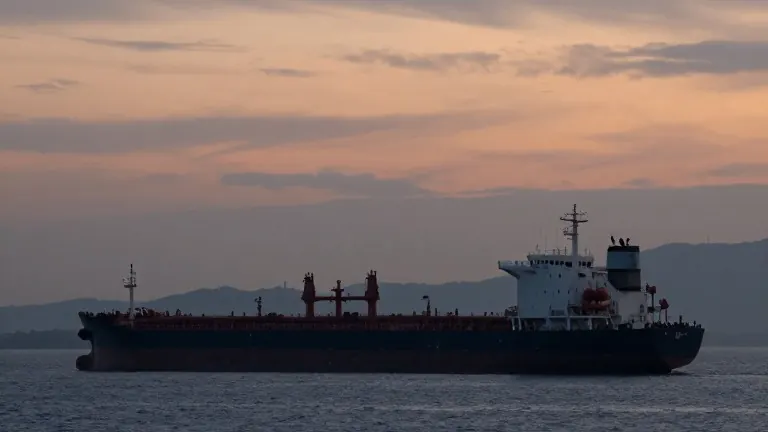
Supply disruptions in the Strait of Hormuz contributed to the recent price spike. The U.K. navy's Maritime Trade Operations center reported that a tanker was disabled by an unknown projectile on Friday, though the crew was safe. Iran claimed responsibility for strikes on at least four tankers earlier in the week, a assertion Trump criticized as an attempt to inflate prices before the election.
Diplomatic efforts to de-escalate the conflict are currently underway. Saudi Defense Minister Khalid bin Salman, Pakistani army chief Asim Munir, and Turkish intelligence chief Ibrahim Kalin are in Tehran for security talks with Iranian officials. These discussions follow eight months of regional conflict and support mediation efforts led by Qatar and Pakistan.
Violence continued in Yemen, where the Saudi-led coalition intercepted a ballistic missile aimed at Riyadh. The Houthis claimed they hit the international airport with a missile and struck oil pumping stations with drones. Earlier attacks this month forced the airport to close for more than two weeks and pushed Saudi Arabia's investment conference into 2027.
In Israel, Prime Minister Benjamin Netanyahu warned that Iran might attack to disrupt the upcoming elections. Defense Minister Israel Katz rejected reports of a public dispute between Netanyahu and army chief Eyal Zamir, calling the claims baseless. Iranian officials noted that the outcome of the U.S. election makes no difference to their policy.
Source: CBS News